
Replacing or installing a roof is a big project, and one of the first things people want to know is how long it’ll take. The timeline depends on a few things, like the size of the building, the type of roofing materials, the weather, and how skilled the crew is.
For most homes, it usually takes about 1 to 3 days to finish the job. In this guide, we’ll break down the process so you’ll know what’s coming and what might slow things down.
New Roof Installation Timeline Factors
The time it takes to finish a roofing job depends a lot on your roof’s current state and its size. Putting a fresh roof on a small home can be done in just a few hours if the materials are straightforward. But bigger roofs or ones with steep angles and layers take way more time. The roofing material that works best for your home could require more delicate care that takes quality time.
Pacific Northwest Weather and Roofing
Weather plays a big role in how quickly a roof can be replaced. Rain, snow, strong winds, or extreme heat and cold can slow things down. Roofing materials need specific temperatures to stick right and last long. If it’s freezing or scorching outside, roofers might have to hit pause.
Best time for new roof installation: Spring and fall usually work best for roofing because the weather’s more predictable and not too wet. Winter can be tricky, especially if you’re in a place with lots of snow. If your area gets rough winters, aim to replace your roof when it’s warmer.
Roofing Material Type
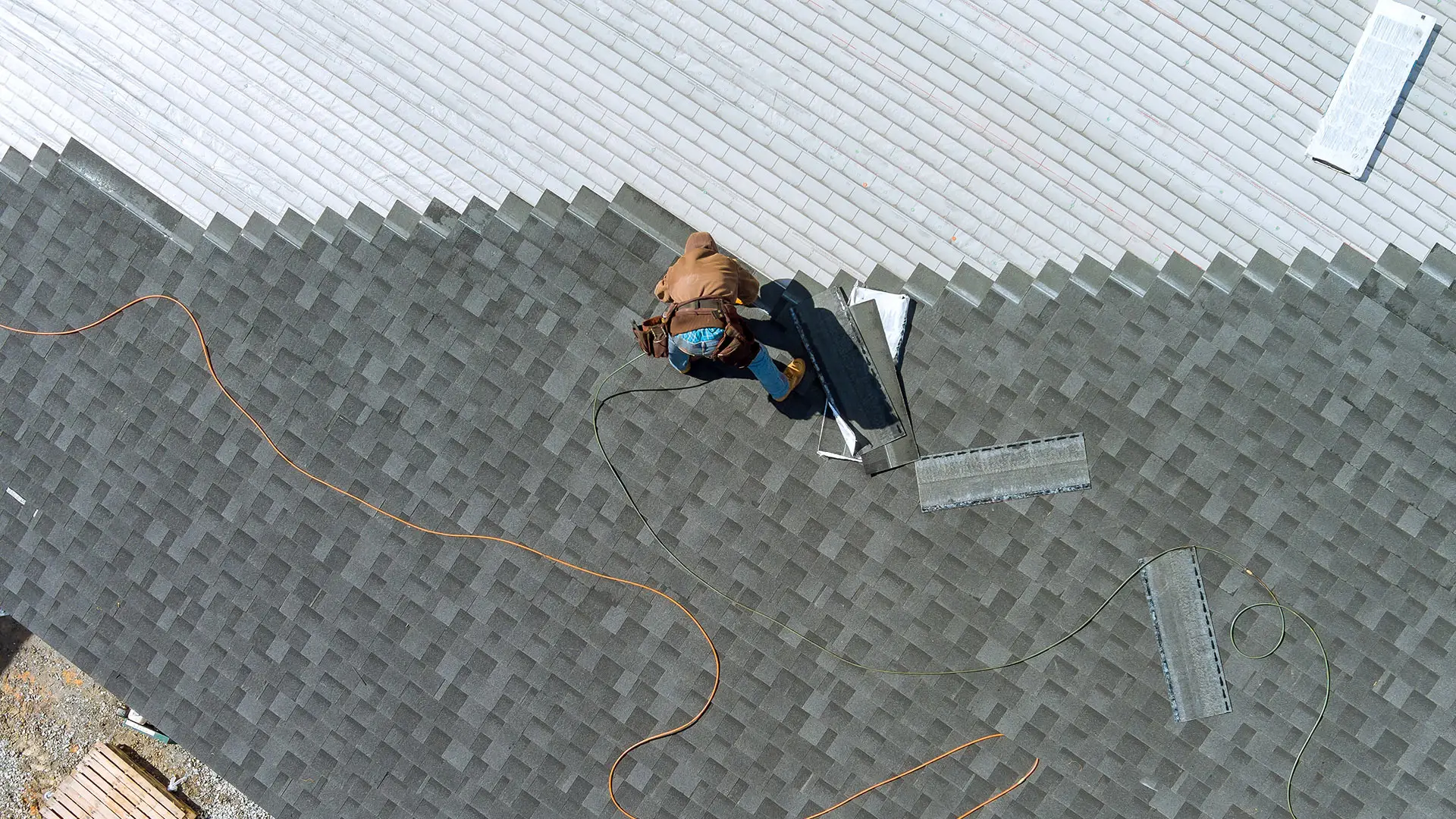
Your new roof installation timeline depends on the material you pick. Asphalt shingles usually go up fast, often in a day or two for an average home. On the other hand, materials like metal or slate take longer because their installation is more detailed and requires extra care.
Custom options: If you’re going for something unique, like custom slate tiles or special metal panels, expect a longer process. Manufacturing and shipping these materials can add extra time before the actual work even begins.
Roof Size and Layout
Bigger roofs need more time to replace compared to smaller ones. Roofers usually measure the square footage to figure out how long the project will last.
If your roof design is tricky, like having lots of angles, dormers, or skylights, it’s going to take longer to finish than a basic gable roof. Also, if there are old shingles that need ripping off first, that adds extra time. Roofers might also need to double-check the structure before putting on new materials.
Unexpected Roof Repairs
Hidden structural problems might show up once the old roof comes off. If your contractor spots things like rot, water damage, or weak rafters, they’ll need extra time to fix those before putting on the new roof.
HPH New Roof Installation Timeline
First things first in making the best choice in your new roof installation, and that is… to contact HPH. Our expert roofing specialist will check out your roof with a detailed inspection. They’ll go over the current roof setup, check how well it vents, and look for signs of moisture, mold, or leaks in the attic. Shingles? Yep, we’ll assess those too. Checking out how they’re holding up and how much longer they’ll last.
At the end, you’ll get a clear idea of how much life your roof has left. If it’s time for a new one, we’ll let you know and can provide an estimate for the replacement right then and there. We do what it takes to respect your daily living, that’s why our new roof installation timeline is done simply in THREE STEPS.
Step 1: Book an Estimate
You’ve already faced the worst part of the process… needing a new roof. Now you’re ready to meet with a professional roofing contractor. HPH starts by answering your call and having a quick chat to get some background on your current roof and what you’re hoping to achieve with your new roof installation.
Even with all of the information we collect from you during the call, our cost and timeline estimation is most accurate once we fully inspect your current roof conditions.
Step 2: Consultation and Inspection
Our expert HPH specialist will check out your roof with a detailed inspection. This free service covers looking over your current roof setup, checking how well the vents are working, and spotting any signs of moisture, mold, or leaks in the attic. We’ll also take a close look at your shingles to see how they’re holding up and how much longer they’ll last.
At the end, we’ll let you know how much life your roof has left and if it’s time to replace it. If a new roof is needed, we can give you an estimate right then and there. After that, we’ll help you pick designs and materials to make your home stand out.
SIDE NOTE: Once you agree to the estimate and sign the contract, we get to work on securing any required permits for your area. Many cities let you handle this online, but it might take anywhere from a day to a week depending on local rules.
At the same time, we will order your roofing materials like shingles, underlayment, and flashing. If you picked custom or unique materials, it could take a little longer for delivery

Step 3: Have Your New Roof Installed
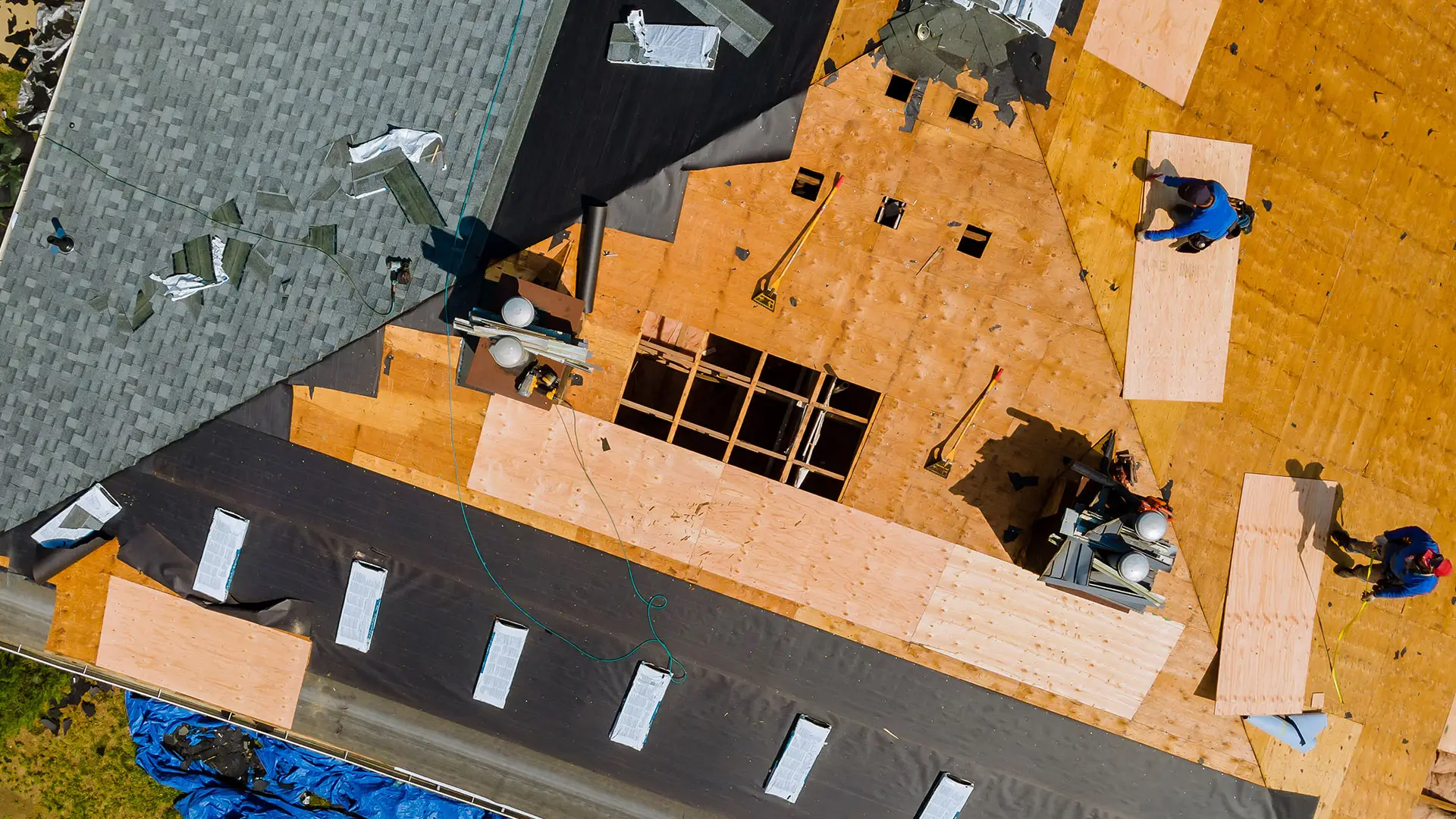
Before starting the roof work, our crew gets everything prepped. They put down tarps and plywood to protect plants and windows. Scaffolding or ladders go up, and they set waste bins nearby for tossing old materials. This part doesn’t take long but keeps things safe and tidy while they work.
Remember, all of your hard work is done and appreciated. Now it’s time for our hard work that we love so much. This is the part where we break down an actual new roof installation timeline.
How to Prepare for Your New Roof Installation
A day or two before the work starts, you may see a dumpster dropped off at your house. Talk to your contractor ahead of time about when it’s coming and where it should go so it doesn’t block the driveway or trap a car in the garage. Your new shingles and other materials may arrive a few days early or the morning installation begins. The crew will usually stage them in your driveway or load them onto the roof.
If your contractor recycles old asphalt shingles, (which we do) they may bring a second dumpster so the crew can separate debris for recycling. To keep things moving and prevent damage, clear the area around your home of anything that could be in the way, such as bikes, hoops, planters, and yard tools. Also, plan to park on the street or safely in your garage for the time being.
Process of Installing a New Roof
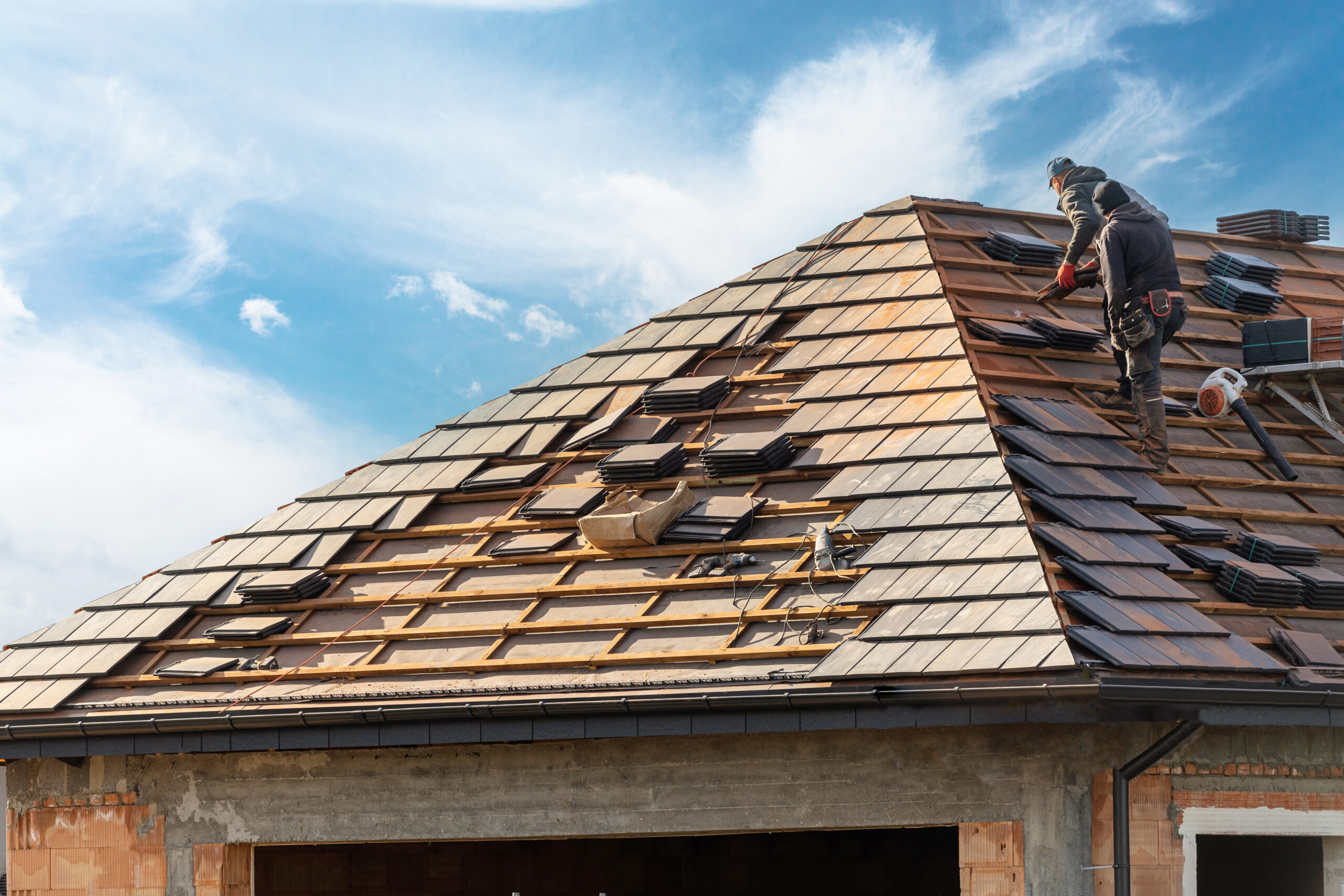
The crew will start by tearing off your existing shingles and roofing materials. This is the loudest and messiest part of the job, but it’s necessary so the new system can be installed properly.
Inspecting the roof deck and flashing
Once the old materials are gone, they’ll inspect the roof deck (sheathing) to make sure it’s solid and not rotted, soft, or damaged. They’ll also check the flashing around vents, chimneys, and roof valleys, and replace it if needed so water can’t work its way in.
Installing the underlayment
After the edges are prepped (including the drip edge as needed), the crew will lay down the underlayment across the roof deck. Areas like the eaves and valleys often get an ice-and-water barrier for extra protection, while the rest of the roof typically gets synthetic underlayment. This is something you’ll want to confirm during the quote so you know exactly what’s being used.
Installing the shingles
Shingle installation usually begins with starter shingles along the bottom and side edges. From there, asphalt shingles are installed in staggered rows and nailed down. Hip and ridge shingles are added last along the ridges and hips to seal those finishing lines.
Updating roof vents
Your contractor may replace existing ridge or static vents, add ventilation, or adjust what’s there based on what your specific roof needs.
Talking with your contractor during the job
If you’re home, it’s fine to be outside and check in as things move along. There’s usually a crew lead on site, and the contractor (or owner) often stops by during the day. If you have questions, ask—this is your roof, and you should feel good about what’s happening.
Final Day of Your New Roof Installation
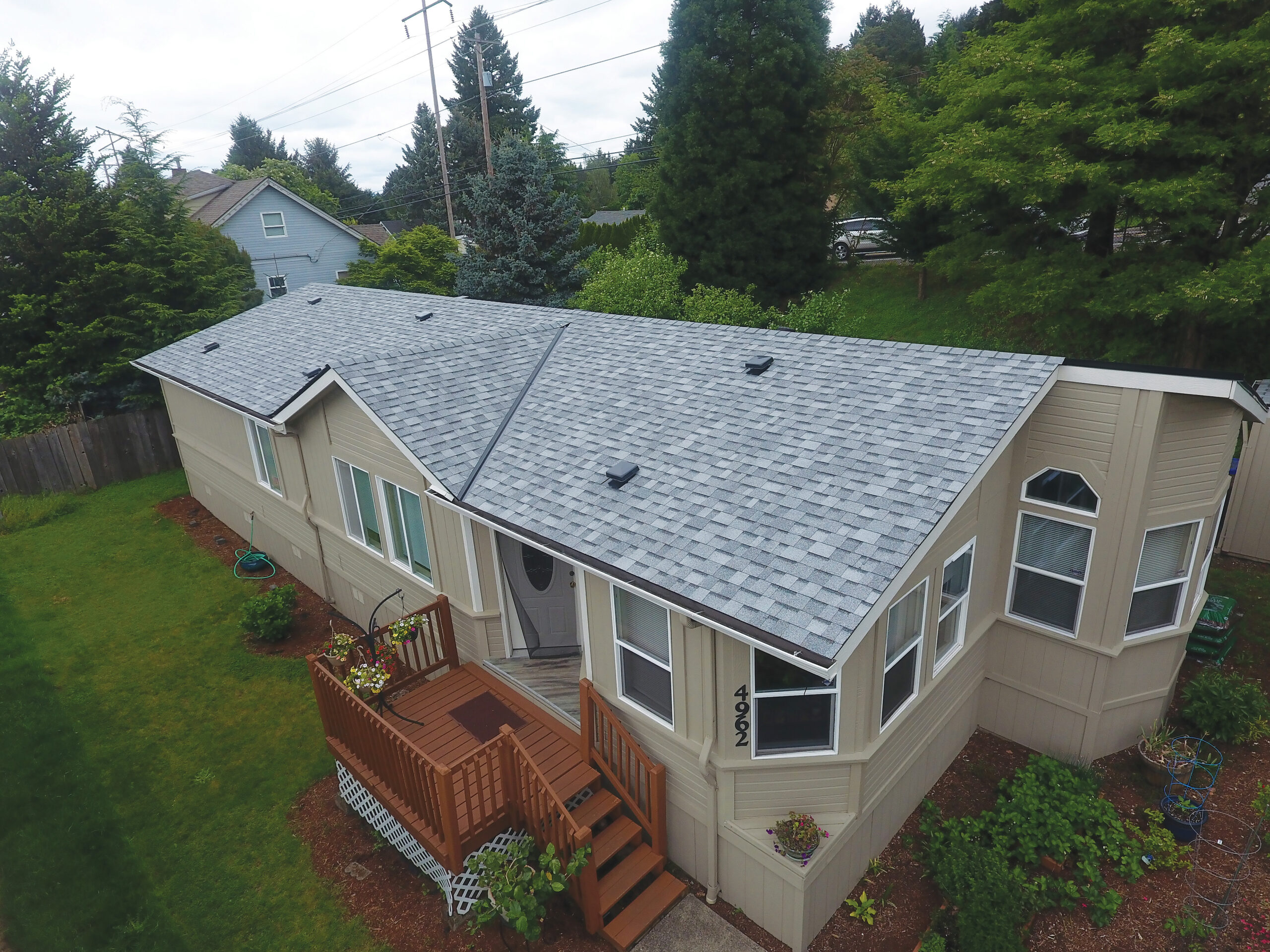
On the last day, your contractor will usually do a final walk-through with you so you can confirm everything that was promised is completed. They’ll also clean up the property, including a sweep for loose nails and leftover debris. A thorough final inspection of the roof should happen as well to confirm the materials look good and the install was done perfectly.
You deserve a white glove service
Talk about cleanup before the job starts so you know what to expect. And if you’re not happy with what you see, ask us to do another pass, especially for nails.
After the new roof is installed
Once the work is done, the dumpster (or dump truck setup) and the porta potty will be hauled away. Someone from the roofing company may schedule a quick visit to review everything with you and collect the final payment. This is also a good time to register your warranty online so it’s on file.
Conclusion
Most roof replacements take anywhere from a few days to a couple of weeks once the work actually starts. Keep in mind, there can also be extra time on the front end for planning, ordering materials, scheduling, and any required permits. The timeline really depends on things like the size and shape of your roof, the type of materials you choose, the weather (very real here in Vancouver), and how large the crew is.
Getting Your Roof Installed by High Performance Homes
At High Performance Homes, we know no two homes—or roofs—are the same. If you’re thinking about a new roof, reach out to book a consultation. We’ll walk you through the options, help set clear expectations on timing, and build a plan that keeps the project moving without cutting corners.