
Have you noticed missing shingles, recurring leaks, or signs that your roof is simply showing its age? A roof replacement is one of the most important investments a homeowner can make to protect their property from the elements. Understanding what a roof replacement involves can help you make informed decisions about your home and avoid costly damage in the future.
This guide explains what a roof replacement is, how the process works, why it matters, and what Pacific Northwest homeowners should know when evaluating their options. Whether you’re researching a future project or actively looking for a roofing contractor, this information will help you better understand the role a new roof plays in protecting your home.
What Is a Roof Replacement?
A roof replacement is the process of removing an existing roofing system and installing a new one. Unlike a roof repair, which addresses isolated issues, a roof replacement involves replacing the roofing materials across the entire roof.
Most roof replacements include removing old shingles or roofing materials, inspecting the roof deck, making any necessary repairs to the underlying structure, and installing a new roofing system designed to provide long-term protection.
For example, a homeowner may experience recurring leaks despite multiple repairs. If the roofing materials have reached the end of their useful life, a complete roof replacement may provide a more reliable and cost-effective solution than continuing to patch individual problem areas.
How Does a Roof Replacement Work?
While every home is different, most roof replacement projects follow a similar process.
Roof Inspection and Evaluation
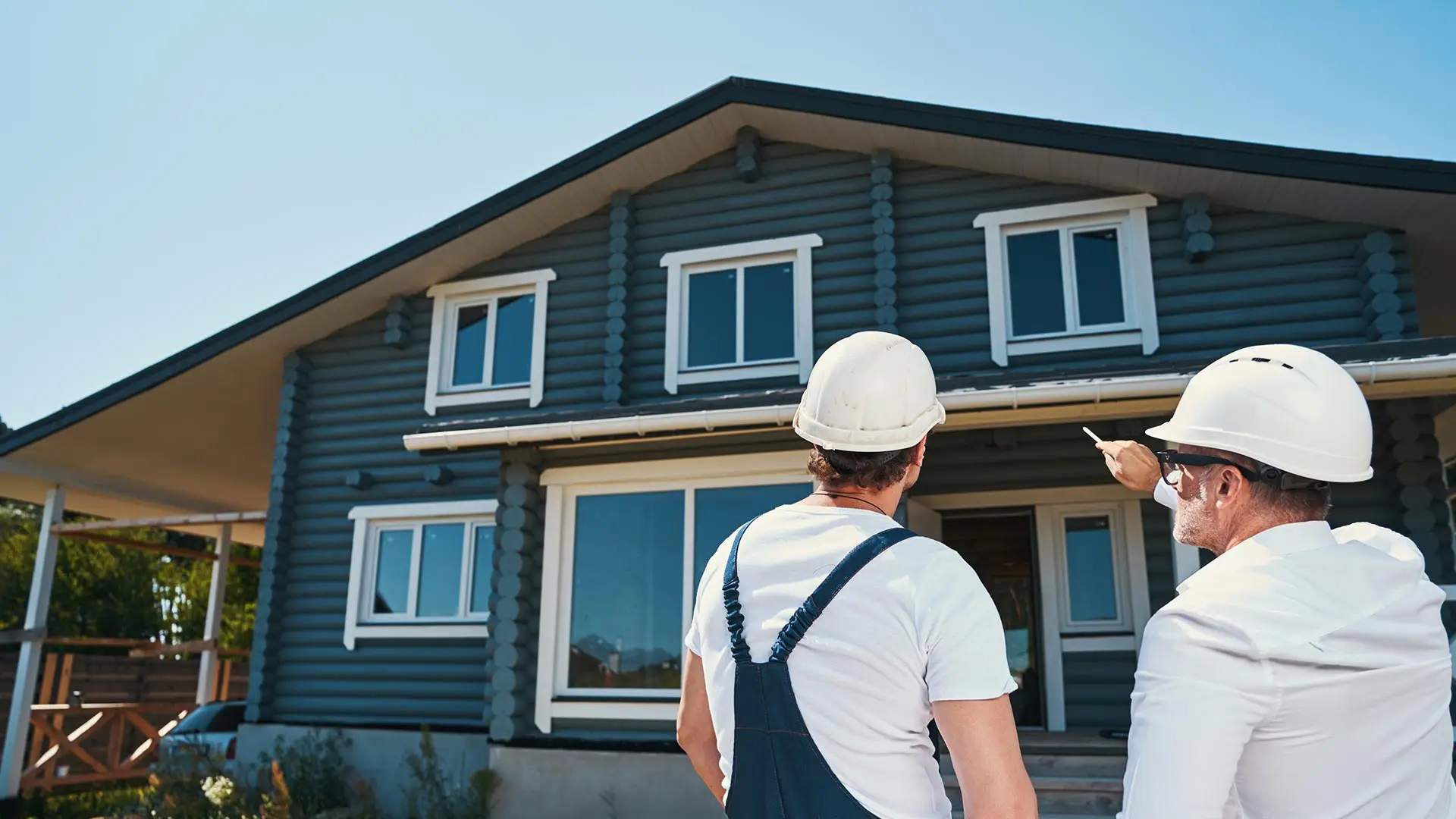
The process typically begins with a detailed inspection. A roofing company evaluates the condition of the existing roof, identifies any underlying issues, and determines whether replacement is the most appropriate solution.
This evaluation often includes checking for moisture intrusion, damaged decking, inadequate ventilation, and signs of material deterioration.
Selecting Roofing Materials
Once replacement has been recommended, homeowners choose the roofing material that best fits their home, budget, and long-term goals.
Common options include asphalt shingles, metal roofing, composite roofing products, and cedar roofing. Each material offers different advantages in terms of appearance, durability, maintenance requirements, and lifespan.
Removal of Existing Materials
The old roofing materials are removed to expose the roof deck underneath. This step allows contractors to identify hidden damage that may not be visible from the surface.
Any compromised decking or structural components can then be repaired before installation begins.
Installation of the New Roofing System
A complete roof replacement includes more than just shingles. Modern roofing systems typically include underlayment, flashing, ventilation components, and water management features designed to work together as a complete system.
Proper installation is essential to long-term performance. Even high-quality materials can underperform if they are not installed correctly.
Final Inspection
After installation is complete, the roof is inspected to ensure all components meet manufacturer specifications and local building requirements.
The finished result is a roofing system designed to provide reliable protection for years to come.
Why Is Roof Replacement Important?
Your roof serves as the first line of defense against rain, wind, moisture, and temperature fluctuations. When roofing materials begin to fail, the risk of damage extends beyond the roof itself.
Water intrusion can affect insulation, drywall, framing, flooring, and personal belongings. Over time, even small leaks can lead to significant repair costs.
A roof replacement can also improve energy efficiency by helping regulate attic temperatures and supporting proper ventilation. For many homeowners, a new roof enhances curb appeal and may increase overall property value.
Most importantly, a properly installed roof provides peace-of-mind during severe weather and seasonal storms.
Common Roofing Materials for Pacific Northwest Homes
The Pacific Northwest presents unique challenges for roofing systems due to its frequent rainfall, moisture exposure, and seasonal weather conditions.
Asphalt Shingles
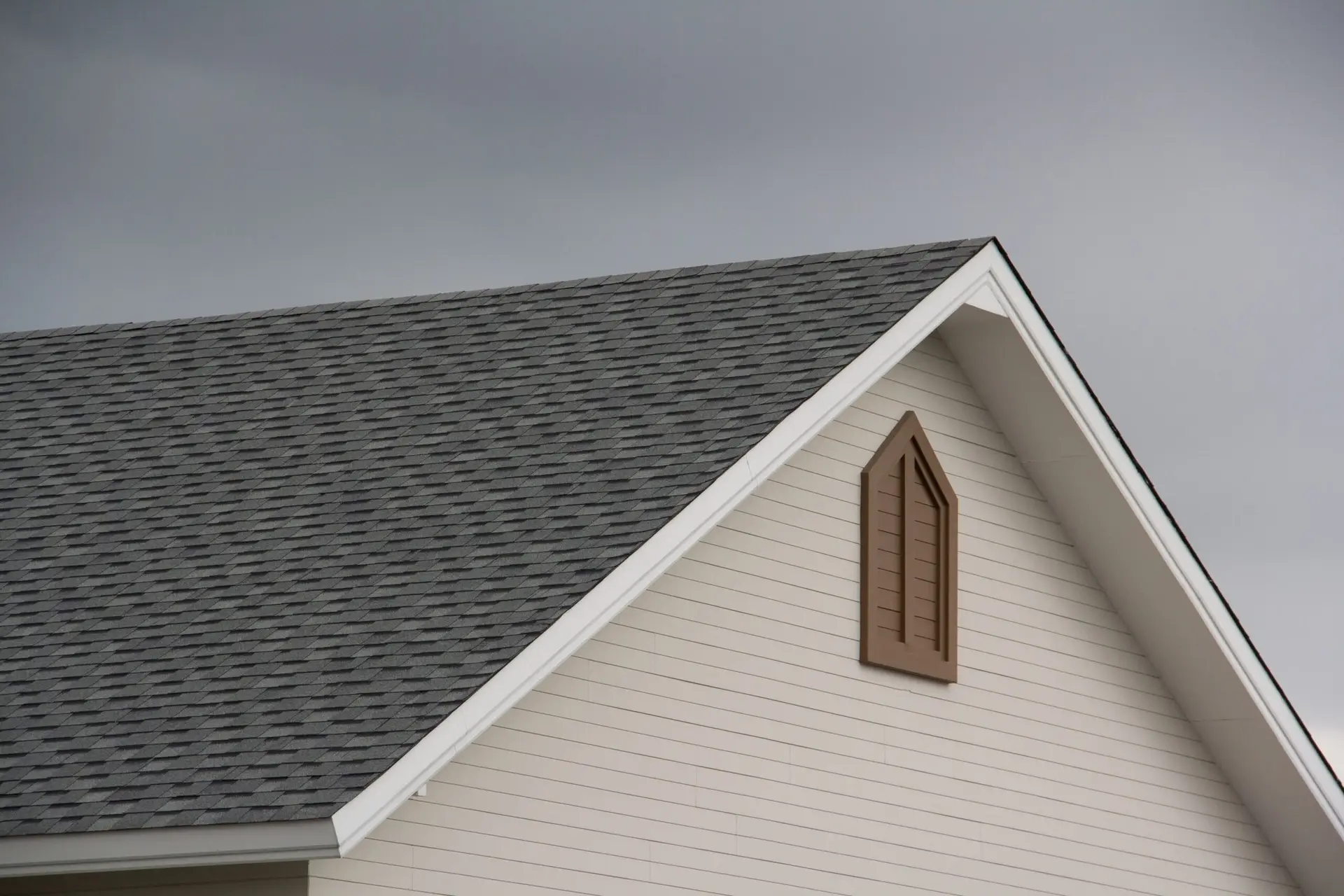
Asphalt shingles remain the most common roof replacement material in the Pacific Northwest. They offer dependable weather protection, a wide range of style options, and strong value for homeowners seeking long-term performance at a reasonable cost.
Architectural & Designer Shingles
Architectural and designer shingles provide enhanced durability and dimensional appearance compared to traditional three-tab shingles. Many homeowners choose these products to improve curb appeal while benefiting from increased wind resistance and longer product warranties.
Metal Roofing
Metal roofing is known for its longevity and ability to shed water efficiently. In regions such as Washington and Oregon, where roofs frequently experience rain and moisture exposure, metal roofing can provide excellent long-term performance when properly installed.
Performance Factors That Affect Roof Longevity
Not all roofs age at the same rate. Several factors influence how long a roofing system will perform effectively.
Ventilation plays a significant role in roof performance. Poor attic ventilation can contribute to excess heat buildup and moisture accumulation, both of which may shorten the lifespan of roofing materials.
Roof pitch, sun exposure, weather conditions, maintenance practices, and installation quality also affect longevity. Even the best roofing products depend on proper installation and ongoing care to achieve their expected service life.
For this reason, selecting an experienced roofing contractor is often just as important as selecting the roofing material itself.
Regional Considerations for Washington and Oregon Homes
Homes throughout Washington and Oregon face environmental conditions that differ from many other parts of the country.
Frequent rainfall means roofing systems must effectively manage water runoff and resist moisture intrusion. Moss growth is another common concern, particularly in shaded areas where moisture remains on the roof surface for extended periods.
Wind-driven rain, seasonal storms, and fluctuating temperatures can place additional stress on roofing systems. These regional factors make it important to work with a roof replacement specialist who understands local building requirements and climate-related challenges.
A local roofer familiar with Pacific Northwest conditions can help homeowners select materials and roofing systems that are well suited for the region.
How to Choose a Roof Replacement Company
Choosing the right roof replacement company involves more than comparing prices.
Look for a roofing contractor with experience in your local area, a proven track record of successful projects, and knowledge of regional weather conditions. Homeowners should also evaluate warranty options, licensing, insurance coverage, and manufacturer certifications when comparing contractors.
Companies such as High Performance Homes understand the unique roofing challenges homeowners face throughout Washington and Oregon, from heavy rainfall and moisture exposure to seasonal storms and changing weather conditions.
Clear communication, detailed project planning, and transparent recommendations are also indicators of a professional roofing company committed to quality workmanship.
Frequently Asked Questions
Are roofing permits required for a roof replacement?
In many areas, yes. Permit requirements vary by municipality, but most full roof replacement projects require compliance with local building codes and inspection requirements.
Can different sections of a roof be replaced at different times?
While it is sometimes possible, replacing the entire roof at once often provides more consistent performance, appearance, and warranty coverage than replacing sections over multiple projects.
Will my landscaping be protected during the project?
Professional roofing contractors typically take measures to protect landscaping, outdoor furniture, and other property around the home while work is underway.
Protecting Your Home With the Right Roofing System
A roof replacement is more than simply installing new shingles. It is a comprehensive upgrade that helps protect your home from moisture damage, improves long-term performance, and supports the overall integrity of the property.
For homeowners in Washington and Oregon, understanding the replacement process, available materials, and regional considerations can make it easier to choose the right solution. If you’re evaluating the condition of your roof or exploring your options for a future project, High Performance Homes can help you better understand what to expect and identify the roofing system that best fits your home and goals.