Roof replacement is the process of removing an old roof down to the deck and installing a complete new roofing system, including underlayment, flashing, ventilation, and an outer layer of shingles or metal. Homeowners usually replace a roof when leaks keep returning, materials wear out, or storms cause widespread damage. In a wet climate, the right materials and careful installation decide how long that new roof lasts.
Overview of Roofing Systems
Residential roofing systems aren’t a single layer. Each one is a stack of components that handle different jobs, and a weak spot in any of them can let water in.
- Roof deck: The plywood or OSB sheathing that everything else is fastened to.
- Underlayment: A water-resistant sheet that acts as a backup when wind drives rain under the outer layer.
- Flashing: Metal pieces that seal valleys, chimneys, skylights, walls, and roof edges. Most leaks start at these transitions.
- Outer material: Shingles or metal panels that shed water and take the daily beating from sun, wind, and debris.
Shingles get most of the attention, but flashing and underlayment often decide whether a roof stays dry. That’s why a true replacement covers every layer instead of just the surface.
Types of Roofing Materials
The most common roofing material options for homes are standard asphalt shingles, architectural shingles, and metal roofing. Each one balances price, appearance, and durability differently.
Asphalt Shingles
Standard asphalt shingles, often called three-tab shingles, are flat, single-layer, and uniform in shape. They cost the least to buy and install, which is why they cover so many American homes. The tradeoff is a thinner, lighter shingle that tends to lift and tear in high winds sooner than heavier products. Many manufacturers have scaled back their three-tab lines as homeowners shift toward dimensional options.
Architectural Shingles
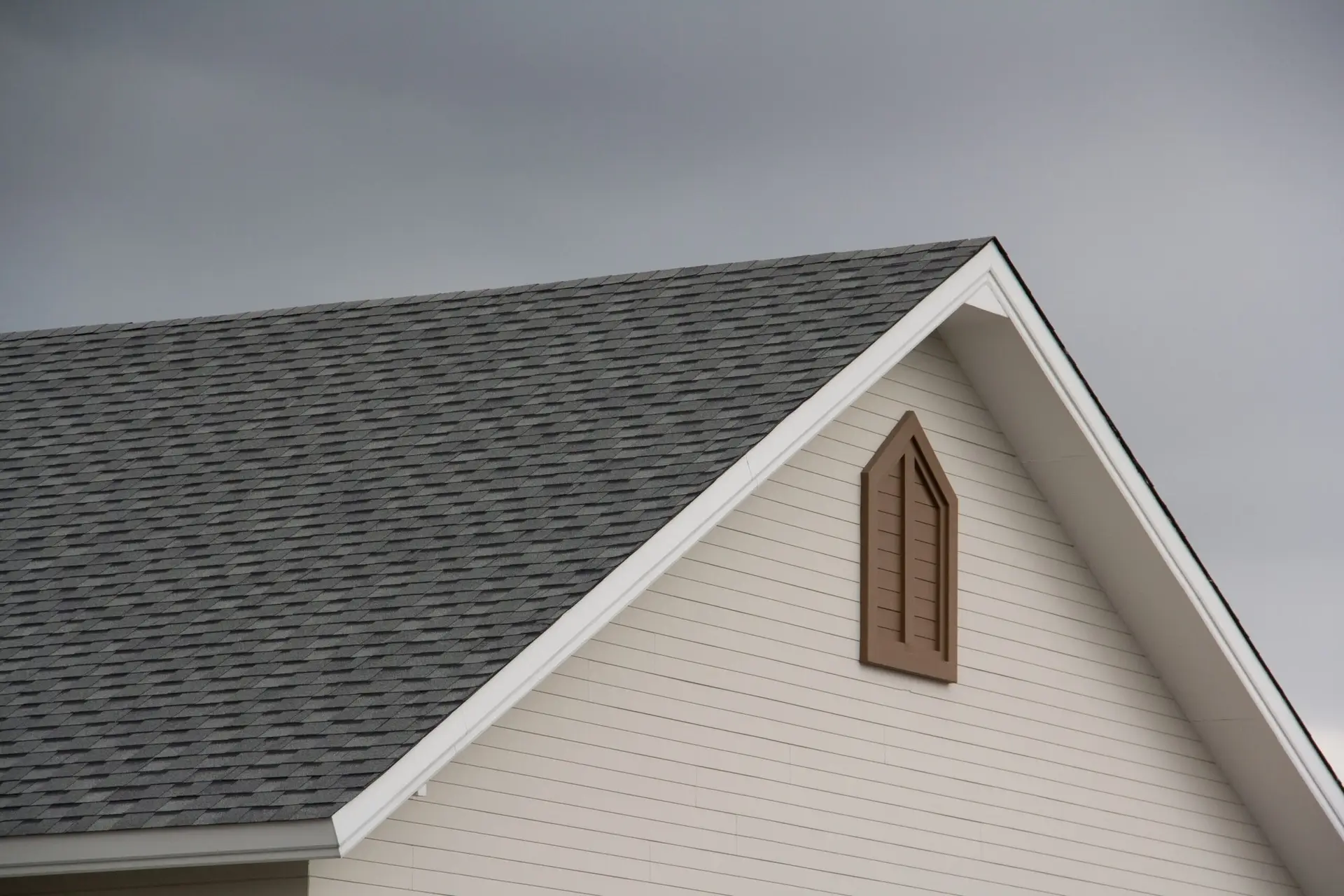
Architectural shingles are thicker asphalt shingles made from multiple laminated layers. The result is a dimensional look that resembles wood shake or slate. Architectural shingle roofing has become the go-to choice for most re-roofs because it adds weight and wind resistance without a large jump in price. Many lines are rated for winds of 110 to 130 mph when installed to the manufacturer’s specifications, and they typically carry stronger warranties than basic shingles.
Metal Roofing
Metal roofs, most often standing seam steel panels, shed rain fast and resist wind, fire, and moss far better than asphalt. They cost more upfront, but they offer the longest service life of the three. Quality depends heavily on the crew. Panels must be measured, cut, and fastened precisely so they can expand and contract without loosening. That’s why metal roofing installation is a specialized skill, and why some contractors form panels to exact length right on the job site.
Environmental Factors Affecting Roof Performance
Weather is what wears a roof out. Four forces do most of the damage.
- Heavy rain and moisture: Water that lingers in valleys or soaks into worn shingles eventually reaches the deck and rots the wood.
- Wind uplift: Strong gusts lift shingle edges and break the adhesive seal. Once that seal is gone, the shingle is loose for the next storm.
- Temperature swings: Daily heating and cooling make materials expand and shrink, which slowly cracks shingles and loosens sealants.
- Moss and algae: Moss holds moisture against the surface and pries shingle edges upward as it grows, opening paths for water.
Storm damage roofing calls often follow one bad windstorm or a fallen limb. In most cases, though, years of these smaller stresses had already weakened the roof before the storm hit.
Signs a Roof Needs Replacement
A roof usually needs to be replaced when leaks keep coming back, shingles are failing across large areas, or the roof is close to the end of its expected life. Watch for these warning signs.
- Water stains on ceilings or attic boards, especially after storms
- Missing, cracked, or curling shingles across more than one slope
- Bald spots on shingles or heavy granule buildup in gutters
- Thick moss that returns soon after cleaning
- Daylight showing through the attic roof boards
- A sagging roofline, which points to deck or structural damage
When two or more of these show up together, it’s time for a professional inspection rather than another patch.
Roof Replacement Process
A full roof replacement follows four main stages, from inspection to final walkthrough. High Performance Homes has refined this process across more than 20,000 completed projects in Oregon and Washington, and each step exists to prevent a specific type of failure.
Inspection and Assessment
A roofer checks the shingles, flashing, vents, and gutters, then heads into the attic to look for moisture, mold, and daylight. This step uncovers issues that change the scope of the job, such as poor ventilation or soft decking. A trustworthy inspector photographs what they find and walks you through it before you sign anything.
Material Selection
Material choice comes down to climate, budget, and how long you plan to stay in the home. Someone selling in five years may weigh costs differently than someone who wants the last roof they’ll ever buy. Profile and color also shape curb appeal, so it helps to view samples next to your siding and trim.
Installation
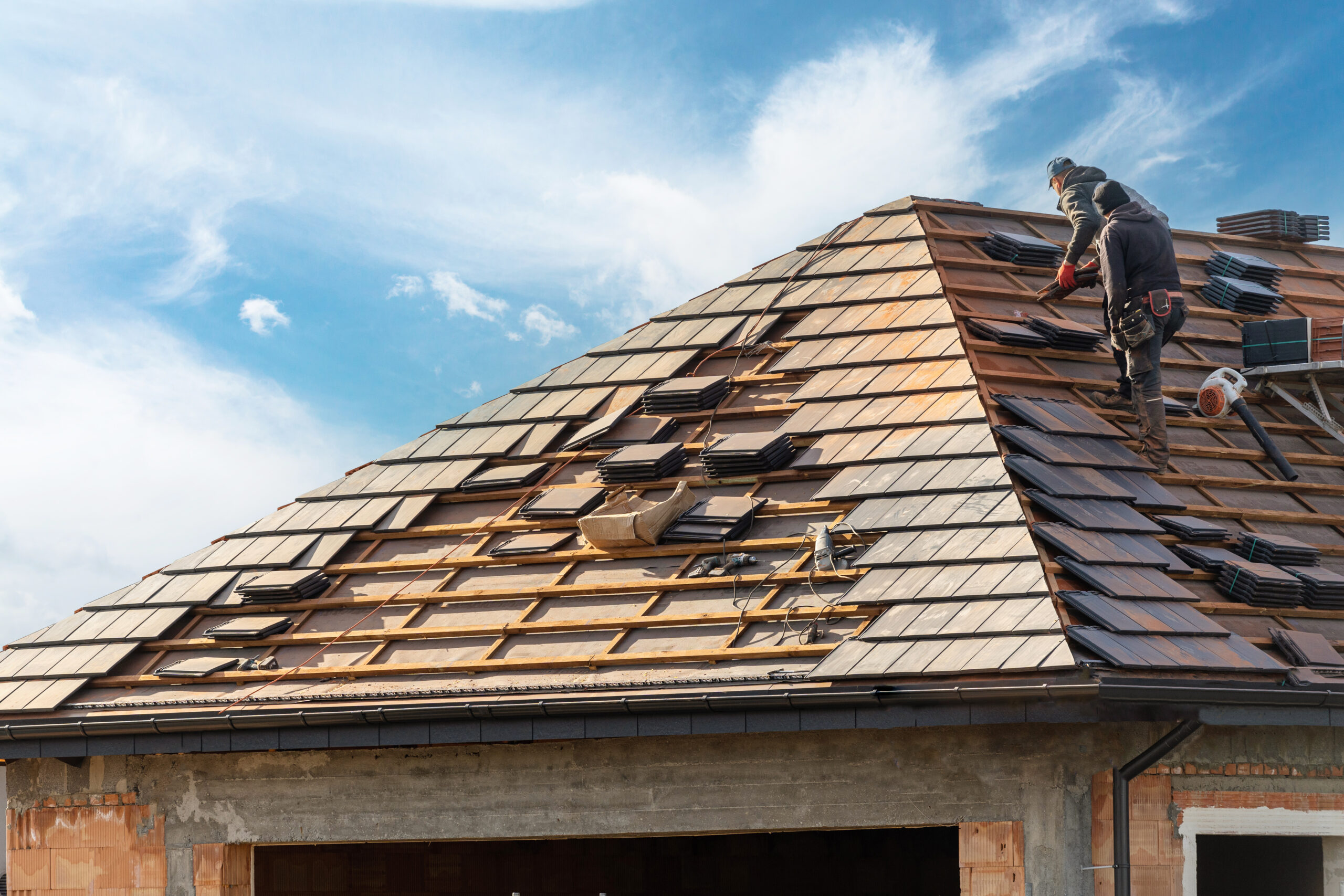
The crew tears the old roof down to bare wood and inspects the deck. Rotted or soft sheathing is replaced at this point, and you should see photos of the damage before it’s covered. The new system then goes on in order. Drip edge and underlayment come first, followed by flashing, ventilation components, and finally the shingles or metal panels.
Final Inspection
Once the roof is on, a supervisor checks flashing details, fastening, vent placement, and drainage against manufacturer specifications and local building code. The crew clears debris and runs magnetic sweepers across the yard and driveway to catch stray nails. You should also receive your warranty paperwork, since manufacturer coverage often depends on documented installation.
Key Performance Factors in Roofing
Two roofs built from identical shingles can perform very differently. The gap usually comes down to these factors.
- Water shedding and drainage: Valleys, edges, and penetrations need to move water into the gutters without letting it pool or back up.
- Wind resistance: Shingles only reach their rated wind speed when nails are placed correctly. A nail set slightly too high can cut that resistance sharply.
- Material durability: Heavier shingles and thicker metal gauges resist impact and wear better as the years pass.
- Installation quality: Manufacturer warranties typically exclude failures caused by poor installation, so the crew matters as much as the product.
Ventilation rounds out the list, and it deserves its own section.
Roof Ventilation and Energy Efficiency
Roof ventilation pulls fresh air in at the eaves and lets warm, moist air escape near the ridge. That steady airflow keeps the attic closer to the outdoor temperature, which protects both the roof and your utility bills.
In summer, a vented attic releases heat that would otherwise radiate into your living space and make the air conditioner work harder. In winter, it carries away the moisture that rises from showers, cooking, and everyday living. Without that airflow, moisture condenses on the cold underside of the deck and feeds mold and rot. Building codes generally call for about 1 square foot of vent opening for every 150 square feet of attic floor. That drops to 1 for every 300 when intake and exhaust vents are balanced.
Energy-efficient roofing goes beyond vents. Lighter or reflective shingle colors can lower roof surface temperatures, and a re-roof is a smart time to have your attic insulation checked.
Lifespan of Roofing Systems
How long a roof lasts depends on the material first, then on climate exposure, installation quality, and how often it’s maintained.
| Roofing Material | Typical Lifespan |
| Three-tab asphalt shingles | 15 to 20 years |
| Architectural shingles | 25 to 30 years |
| Standing seam metal | 40 to 70 years |
A roof with weak ventilation or skipped flashing can fall well short of these ranges. One that’s installed to spec and kept clean tends to land at the high end.
Impact on Property Value
A new roof answers one of the first questions buyers and home inspectors ask. An aging roof can lead to repair requests, price negotiations, or trouble getting insurance. A recent replacement with a transferable warranty takes that concern off the table. The roof is also a large part of what people see from the street, so new shingles or metal panels can noticeably refresh a home’s curb appeal. If you’re planning to sell, a documented, warrantied roof is something the next owner will value.
Regional Considerations
Western Oregon and Washington bring long wet seasons, shade from tall evergreens, and regular winter windstorms. Roofs here are built for constant moisture, not occasional rain, and that shapes several installation choices.
- Algae-resistant shingles help prevent the dark streaks that form on shaded slopes.
- Ice and water shield membrane in valleys and around chimneys and vents adds a sealed layer where water concentrates.
- Synthetic underlayment holds up better than traditional felt when it gets wet, without wrinkling or tearing.
- Properly sized gutters and drip edge keep heavy runoff away from fascia boards and siding.
Maintenance and Inspection Practices
A little attention each year adds years to the lifespan of a roof. You can:
- Scan the roof from the ground each spring and fall for missing shingles, lifted edges, or damaged flashing.
- Clean gutters at least twice a year, and more often if fir or maple trees are nearby.
- Trim branches that hang over or rub against the roof.
- Remove moss with a soft brush or a roof-safe treatment. Skip the pressure washer, which strips shingle granules.
- Schedule a professional inspection after any major windstorm.
A cracked pipe boot caught early is a quick fix. Left through one more wet season, it can turn into rotted decking.
Related Home Improvement Systems
A roof works as part of the whole exterior. Gutters collect everything the roof sheds, and undersized or clogged gutters send water back toward the fascia and foundation. Where a roof meets a wall, kickout flashing steers water into the gutter instead of behind the siding. Windows below the roofline rely on that same water management to stay sealed. Planning these systems together often costs less and performs better than replacing them one at a time with different contractors.
Industry Standards and Certifications
Before hiring anyone for roof replacement services, verify three things.
- License and insurance: In Oregon, look up the contractor’s CCB number. In Washington, check their registration with Labor & Industries.
- Manufacturer certification: Programs like the Owens Corning Preferred and Platinum Preferred contractor networks require training, insurance, and good standing. They also unlock stronger warranty options.
- Written warranties: Ask what the manufacturer covers, what the contractor covers for workmanship, and whether coverage transfers to a new owner.
A professional roof replacement should also come with a clear written estimate that explains how hidden damage, like rotted decking, will be priced if it’s found.
Frequently Asked Questions
Can roof replacement be done during rainy seasons?
Yes, as long as the rain is light or there are dry windows between storms. Experienced crews remove and seal one section at a time, so the deck is never left open overnight. Heavy rain or high winds will pause work to keep the crew safe and the decking dry.
How long does roof replacement take?
Most residential roof replacements take one to three days. Larger homes, steep pitches, metal roofs, or significant deck repairs can stretch a project closer to a week.
What is the difference between roof repair and replacement?
Roof repair fixes a specific problem, such as a few missing shingles or one leaking vent. Replacement removes the entire roof and installs a new system. Repairs make sense when the roof is fairly young, and the damage is limited to one area. When problems spread across several slopes, or the roof is near the end of its life, replacement usually costs less over time than repeated patching.
Get a Roof Built for Northwest Weather
A new roof is one of the biggest investments you’ll make in your home, so it should be built for the weather it actually faces. High Performance Homes is an Owens Corning Platinum Preferred Contractor, licensed, bonded, and insured in Oregon and Washington, with flexible financing for homeowners who want a long-term solution instead of another quick fix. Request a free estimate to have your roof inspected and find the roofing system that fits your home.