Siding replacement is the process of removing worn exterior cladding and installing new siding, along with a fresh weather-resistant barrier, flashing, and trim. You usually need it when siding cracks, warps, rots, or lets moisture into the walls. Choosing a durable material like fiber cement and installing it correctly protects your home from rain, cuts energy loss, and boosts curb appeal.
Overview of Exterior Siding Systems
Siding is the visible part of a layered wall system. Each layer has a specific job.
- Structural wall: Studs and sheathing that give the wall its strength.
- Weather-resistant barrier: House wrap or a membrane that stops water that slips past the siding while still letting the wall dry.
- Exterior cladding: The siding itself, which sheds most rain and shields the layers beneath from sun and impact.
- Trim and finishing: Corner boards, window and door trim, and sealants that close the gaps where siding ends.
Siding is designed to shed most water, not all of it. The barrier behind it handles the rest, so a replacement that skips that layer is only half done.
Types of Siding Materials
The four main residential siding materials are fiber cement, wood, vinyl, and engineered wood or composite. They differ most in how they handle moisture and how much upkeep they need.
Fiber Cement Siding
Fiber cement siding is made from cement, sand, and cellulose fibers formed into planks, panels, or shingles. It can mimic painted wood lap siding, cedar shakes, or smooth modern panels. It’s heavier than other options and requires specialized tools and training to cut and install correctly.
Wood Siding
Wood siding, often cedar, offers natural grain and a warm look that’s hard to copy. The tradeoff is that it needs more upkeep than any other siding type. Wood needs repainting or restaining every few years and can rot, warp, or attract insects and woodpeckers once water gets in.
Vinyl Siding
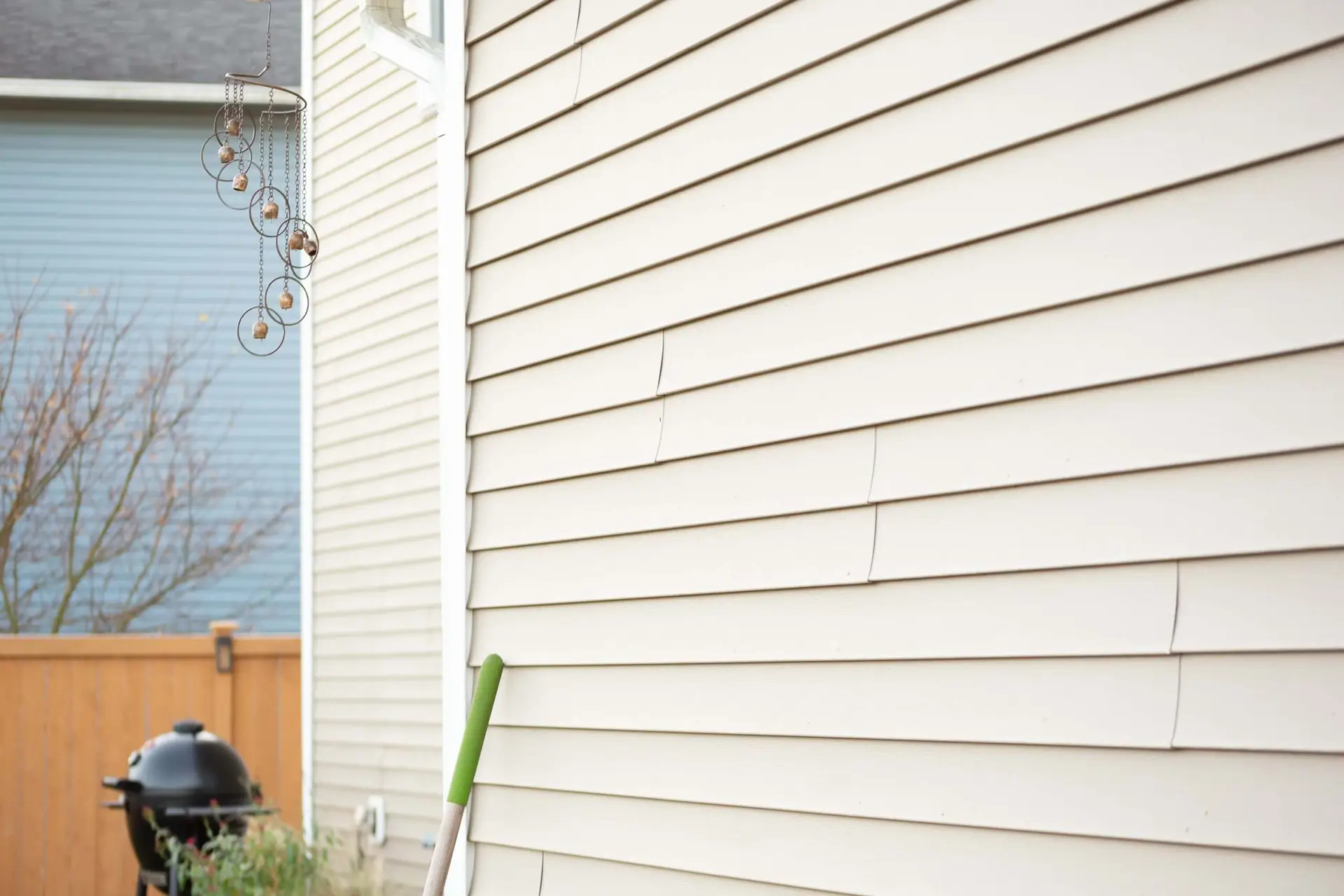
Vinyl siding is a lightweight plastic product that installs quickly and costs less upfront. It never needs paint. On the other hand, it can crack in cold snaps, warp near grills or reflective windows, and fade over time. Replacement panels from newer production runs don’t always match the originals. Many homeowners planning a vinyl siding replacement end up upgrading to a material that feels more solid and keeps its color longer.
Engineered Wood and Composite Siding
Engineered wood siding is made from wood strands bonded with resins and wax, then treated to resist moisture, decay, and termites. Composite siding blends materials such as wood fiber and polymers. Both give the look of wood with better rot resistance and less upkeep than natural lumber, and both weigh less than fiber cement.
Advantages of Fiber Cement Siding
Fiber cement has become one of the most popular choices for durable home siding, especially in rainy regions. Here’s what sets it apart.
- Moisture and rot resistance: It won’t rot or swell like wood, making it a dependable, moisture-resistant siding option.
- Pest resistance: Termites, carpenter ants, and woodpeckers have little interest in it.
- Fire resistance: Fiber cement is noncombustible, so it won’t ignite or add fuel to a fire.
- Low maintenance: It doesn’t need regular staining or sealing. Most homeowners only need to wash it.
- Color that lasts: Factory-applied finishes are baked on and resist UV fading far better than paint brushed on in the field.
Environmental and Climate Considerations
Different types of weather stress siding in different ways.
- Rain and humidity: Constant moisture is the biggest threat to wood-based siding and to the walls behind it.
- Temperature swings: Vinyl expands and contracts more than other materials, which can lead to buckling if it’s nailed too tightly.
- UV exposure: Sun fades color fastest on south- and west-facing walls.
- Wind and storms: High winds can tear loose panels away and push rain sideways into seams and laps.
Matching the material to your local conditions matters more than choosing whatever is most popular nationwide.
Signs a Home Needs Siding Replacement
Your home likely needs new siding if you see cracks, warping, soft spots, or mold, or if paint and caulk keep failing year after year. Common warning signs include the following.
- Cracked, warped, or buckling boards
- Soft or crumbling spots when you press on the siding
- Mold, mildew, or moss that returns soon after cleaning
- Peeling paint or bubbling wallpaper on interior walls
- Uneven fading from one side of the house to another
- Rising heating and cooling bills with no other explanation
- Gaps at corners, trim, or around windows
Soft spots and interior stains are the most urgent. They usually mean water has already reached the sheathing.
Siding Replacement Process
A professional exterior siding installation moves through five stages, and each one sets up the next.
Inspection and Assessment
A siding specialist checks the existing siding for rot, moisture, mold, loose boards, and damaged trim. They press on suspect areas and may use a moisture meter to find wet sheathing that can’t be seen from outside. At High Performance Homes, this free inspection also looks at moss growth, panel quality, and how much life the current siding has left, so you know the full scope before work begins.
Design and Material Selection
This is where you choose the material, profile, texture, and color. You can combine lap siding, board and batten, shakes, and panels to highlight a home’s architecture. Viewing full-size samples in daylight, next to your roof and trim colors, helps avoid surprises later.
Removal of Existing Siding
The crew strips the old siding, trim, and house wrap down to the sheathing, usually one wall at a time. The crew replaces any rotted sheathing or framing at this stage, while it’s exposed and easy to reach.
Installation of New Siding
A new weather-resistant barrier goes on first, followed by flashing around windows, doors, and other openings. Then the siding is hung with the nailing pattern and joint spacing the manufacturer requires. Trim, caulking, and finishing details close everything in.
Final Inspection and Quality Assurance
A final walkthrough checks seams, fasteners, flashing, sealant, and trim alignment against manufacturer requirements. The site is cleaned, nails and debris are picked up, and you receive your warranty documents.
Key Performance Factors in Siding Systems
How well siding performs over the years depends on more than the product name on the box.
- Moisture management: Flashing and a sound barrier matter as much as the siding’s own water resistance.
- Installation to spec: Manufacturers publish exact nailing, gapping, and handling rules. Ignoring them can void the product warranty.
- Maintenance demands: Materials that need less upkeep tend to hold their performance longer for the average homeowner.
- Warranty coverage: Look for a product warranty from the manufacturer and a separate workmanship warranty from the installer.
Energy Efficiency and Insulation Benefits
Siding alone adds very little insulation. Most of the energy savings come from what gets fixed behind it.
During a replacement, a new weather-resistant barrier and properly sealed seams reduce drafts that leak through older walls. Some homeowners also add rigid foam board under the new siding. That wraps the house in a continuous layer of insulation and reduces heat lost through the wall studs.
This is what makes energy-efficient siding work. Fewer air leaks and steadier wall temperatures mean the furnace and air conditioner run less, and rooms along exterior walls feel more comfortable.
Lifespan of Siding Materials
Each material has a typical range, and real-world results depend on climate exposure, installation quality, and upkeep.
| Siding Material | Typical Lifespan |
| Vinyl | 20 to 40 years |
| Wood | 20 to 40 years with regular maintenance |
| Engineered wood and composite | 20 to 30+ years |
| Fiber cement | 30 to 50+ years |
In wet regions, poorly flashed wood can fail long before its expected age. Well-installed fiber cement, by contrast, can reach the top of its range.
Impact on Property Value and Curb Appeal
Siding covers more of your home’s exterior than anything else, so it shapes first impressions before one ever steps inside. Fresh, well-detailed siding signals a cared-for home and gives inspectors fewer issues to flag. National remodeling cost-recovery studies consistently rank fiber cement siding replacement among the exterior projects with the strongest return at resale.
Regional Considerations for Siding Installation
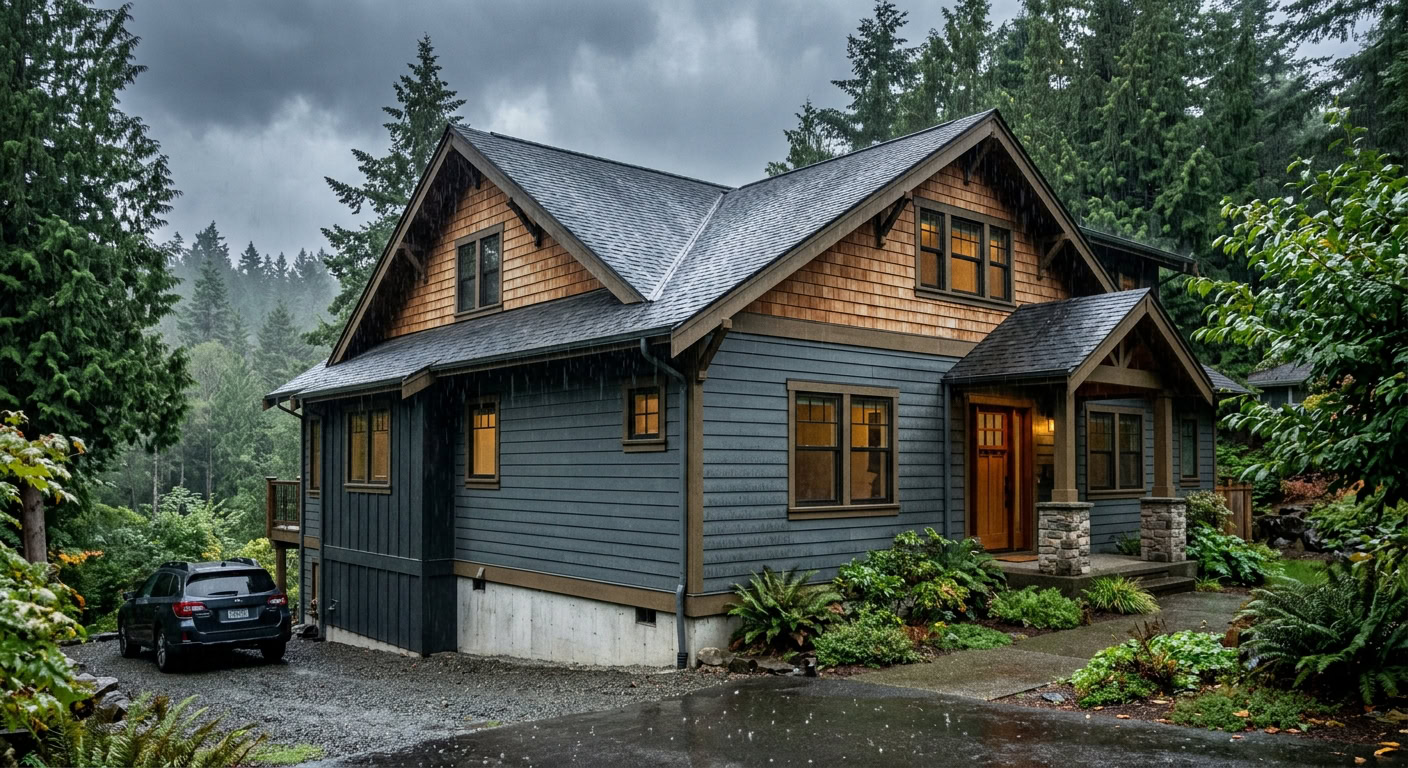
In Oregon and Washington, siding faces months of rain, short drying windows, and shaded walls that stay damp. Installation details need to account for these conditions..
- Rainscreen gaps: A small air space behind the siding lets trapped water drain and the wall dry out.
- Kickout flashing: Where a roof edge meets a wall, this small piece diverts water into the gutter instead of behind the siding.
- Proper clearances: Keeping siding a few inches above the ground, roofs, and decks prevents it from wicking up water.
- Climate-specific products: Some fiber cement lines are engineered for local conditions, such as James Hardie’s HZ5 products made for wet and freezing climates.
Maintenance and Care of Siding
Even low-maintenance siding benefits from a little care.
- Wash siding once a year with a garden hose and a soft brush. High-pressure washers can force water behind the laps.
- Walk around the house each spring and autumn to spot cracks, loose boards, and failing caulk.
- Trim shrubs back so walls get airflow and can dry after rain.
- Fix small damage quickly before water finds its way in.
When damage is limited to a few boards, siding repair services can usually swap out individual planks without redoing the wall. Widespread damage or moisture that keeps coming back is when residential siding replacement makes more sense.
Industry Standards and Certifications
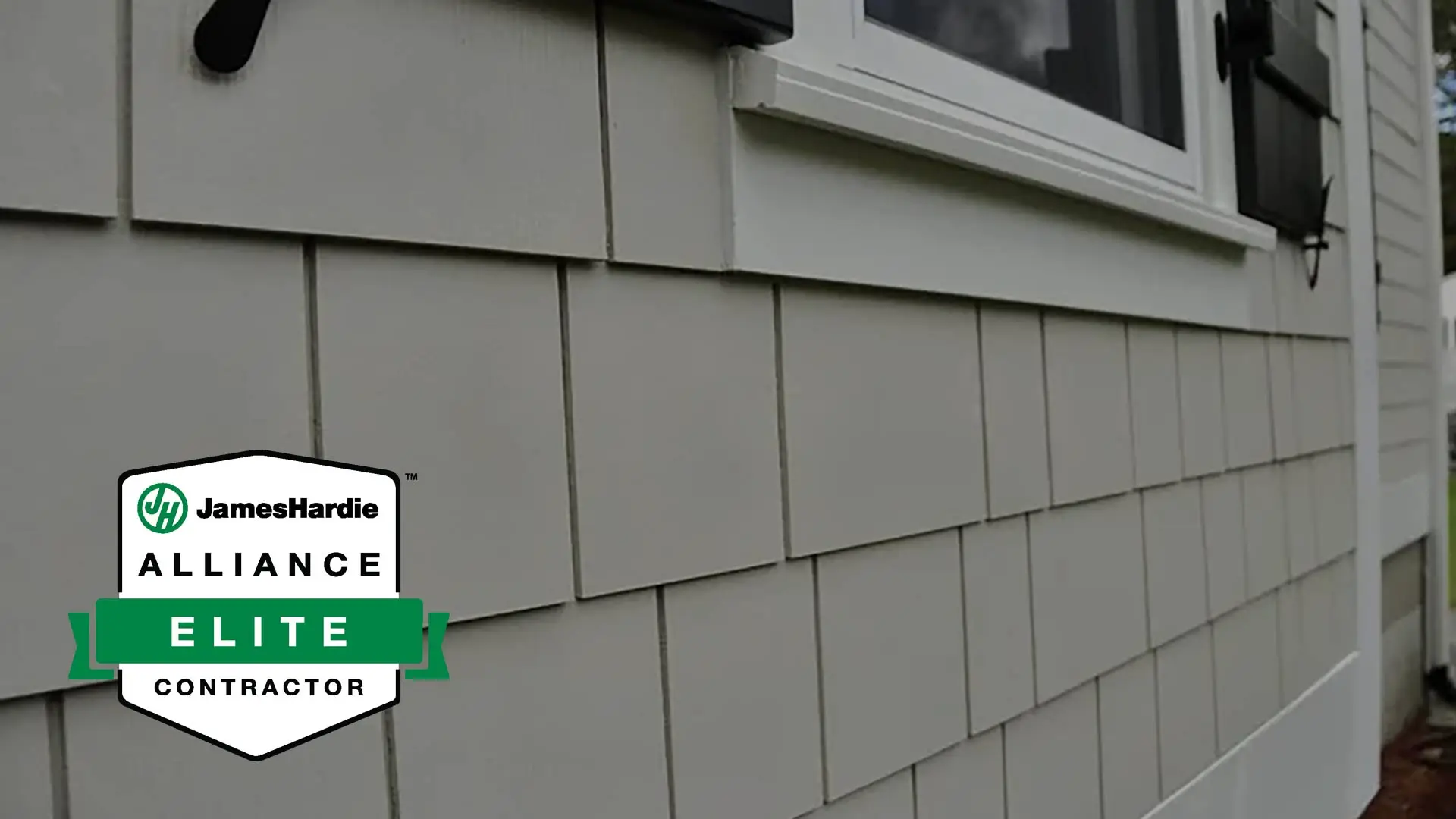
Hire a siding contractor who is licensed, bonded, and insured in your state and certified by the manufacturer of the product you’re buying. Certification programs review a contractor’s installation practices and often unlock stronger warranty options. High Performance Homes, for example, is an Elite James Hardie siding installer, licensed in both Oregon and Washington. Ask any contractor to show proof of each credential before you sign.
Common Challenges in Siding Projects
Most siding projects run smoothly, but a few challenges come up often.
- Hidden damage: Rotted sheathing or framing often shows up only after the old siding comes off. A good estimate explains how those repairs will be priced, and the crew should show you the damage before fixing it.
- Weather interruptions: Rain can pause work mid-project. Crews protect any open walls with house wrap, so exposed sheathing doesn’t soak.
- Complex architecture: Gables, dormers, bay windows, and multiple rooflines add cuts, flashing details, and time.
Frequently Asked Questions
How long does siding replacement take?
Most homes take one to two weeks. Home size, number of stories, architectural detail, hidden repairs, and weather all affect the timeline.
What should homeowners do before installation?
Move patio furniture, grills, and planters away from the walls, and trim back nearby plants. Take down pictures and shelves on exterior walls, since vibration from removal and nailing can knock them loose. It also helps to clear a path for the dumpster and make outdoor outlets easy to reach.
Can siding be installed in all weather conditions?
Not always. Siding can go up in light rain, but caulks, sealants, and touch-up paint need dry surfaces and temperatures above the manufacturer’s minimum, often around 40°F. High winds also make handling long boards unsafe, so crews adjust the schedule to protect quality.
Related Exterior Systems
Siding connects to nearly every other part of your home’s exterior. Roof edges and gutters control where runoff lands, and downspouts keep water from splashing back onto the lowest rows of siding. Windows need flashing that overlaps correctly with the new weather barrier, which makes a siding project the ideal time to replace aging windows. Coordinating these upgrades avoids tearing open finished work later.
Get Siding Built for Northwest Weather
New siding is a chance to fix hidden moisture problems, reduce energy loss, and give your home a look that lasts for decades. High Performance Homes has served more than 20,000 homes across Oregon and Washington and offers financing to make a long-term exterior upgrade easier to plan. Schedule your free siding inspection to see what your walls need and which materials fit your home.